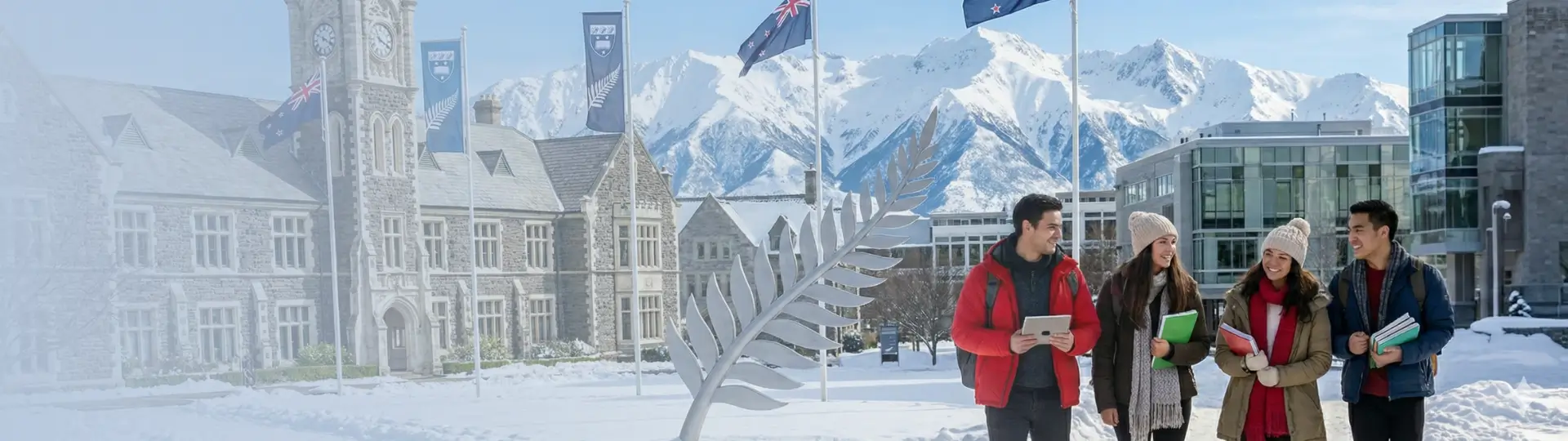
How Permanent Residency Really Works in New Zealand
Permanent Residency in New Zealand is mainly based on skills. The country is looking for people who can work, pay taxes, and contribute to society. A degree alone does not give PR. Education must be followed by real work experience.
In simple terms, the usual journey looks like this:
- You study in New Zealand
- You get a post-study work visa
- You work in a skilled job
- You apply for residence through the Skilled Migrant pathway
Each step depends on the previous one. Skipping a step or rushing usually leads to problems.
Post-Study Work Is the First Real Test
After finishing your studies, most students apply for a post-study work visa. This visa allows you to stay in New Zealand and work full time. For many students, this is the most important phase of the entire journey.
The length of the post-study work visa depends on your qualification and where you studied. During this time, your focus should be clear. You need to find a job related to your study that is considered skilled.
This job becomes the foundation of your PR application. Without it, the process stops.
Skilled Migrant Category
New Zealand offers residence mainly through the Skilled Migrant system. It works on points, but it is not a game of luck. Points are earned through real things like:
- Your qualification
- Your job role and skill level
- Your salary
- Your work experience
- Your age
If your points are strong enough, you submit something called an Expression of Interest. If Immigration New Zealand selects it, you are invited to apply for residence.
The system favors people who are already working in New Zealand and contributing, not those waiting from outside.
A Realistic PR Timeline for International Students (2026)
Permanent Residency is not one application. It is a journey that often takes several years. Students who understand this early usually make better decisions.
Below is the path most successful students follow.
Step 1: Start With the Right Study
Your PR journey begins with study. This could be a bachelor’s degree, master’s degree, diploma, or PhD from an approved New Zealand institution.
What matters here is not just completing the course. The subject matters a lot. Courses connected to job demand in New Zealand give better outcomes. Fields like IT, engineering, healthcare, construction, trades, education, and science continue to be important.
By 2026, Immigration New Zealand is still focusing more on skills that support the local workforce, not just academic titles.
Step 2: Move to a Post-Study Work Visa
After graduation, students usually apply for a post-study work visa. This lets you work full time and gain experience.
How long this visa lasts depends on:
- Your qualification level
- Where you studied
- Whether your course meets immigration requirements
This period is your bridge from student life to professional life. How you use this time matters a lot.
Step 3: Find a Skilled Job That Matches Your Study
This is where many students struggle, and that is normal.
To move toward PR, the job must:
- Match your qualification
- Be classified as skilled under New Zealand rules
- Meet salary and role standards set by Immigration New Zealand
By 2026, immigration officers will look closely at job quality. The title alone is not enough. They check what you actually do and how much you earn.
Some students take months to find the right job. That is okay. What matters is staying legal and persistent.
Step 4: Stay and Build Skilled Work Experience
Once you get a skilled job, you need to keep it for a certain period. This shows stability and commitment.
During this phase:
- Work consistently
- Follow all visa conditions
- Maintain a good relationship with your employer
Frequent job changes or working outside your visa conditions can weaken your PR case.
Step 5: Check If You Are Ready to Apply for Residence
After gaining enough skilled work experience, you may become eligible to apply for residence.
Eligibility depends on:
- Your job and salary
- Your qualification
- Your work experience
- Your age
- Your English ability
Immigration rules change from time to time, but by 2026 the focus remains on people already working in needed roles inside New Zealand.
Step 6: Submit the Residence Application
When you apply, immigration officers look closely at your history. They check:
- Your work record
- Your employer details
- Your visa compliance
- Your health and character
Clear documents and consistency matter more than speed. Rushing rarely helps.
Step 7: Receive Permanent Residency
If approved, you receive Permanent Residency.
With PR, you can:
- Live and work without restrictions
- Change employers freely
- Access public healthcare
- Plan long-term life in New Zealand
Citizenship may become possible later after meeting time and residence conditions.
Why Course Choice Matters From Day One
Many students damage their PR chances before they even arrive. The course you choose has long-term impact.
Courses linked to skill shortage areas lead to jobs faster. Studying something with little demand makes PR much harder, even if the degree itself is good.
Employers Play a Bigger Role Than You Think
Most successful PR applicants had supportive employers. Employers who trust you are more likely to help with work visas or residence pathways.
In New Zealand, reliability matters more than flashy resumes. Showing up on time, doing your job well, and communicating clearly builds trust.
Language and Communication Matter at Work
English is the working language in New Zealand. You do not need perfect English, but you must communicate clearly.
Many students struggle at first. This improves naturally through work and daily life. Strong communication helps with promotions, job stability, and PR approval.
Time, Patience, and Stability
Permanent Residency does not happen quickly. Most students take several years after graduation to reach that stage.
New Zealand values stability. They want to see that you can hold a job, support yourself, and follow rules consistently. Changing direction too often can slow things down.
How Long Does PR Usually Take?
For most students, the full journey takes around four to seven years from the start of study.
There is no shortcut. New Zealand prefers steady progress and long-term contribution.
Common Mistakes That Delay PR
Students often slow themselves down by:
- Choosing low-demand courses
- Waiting too long to search for skilled jobs
- Ignoring salary or job classification rules
- Changing jobs without checking visa impact
Early planning avoids most of these problems.
Life After Permanent Residency
With PR, life becomes more flexible. You can work anywhere, change jobs freely, and plan your future properly. Family sponsorship and public healthcare become possible.
Citizenship may come later if conditions are met.
Final Thoughts
New Zealand does not promise easy PR. But it offers one of the clearest and fairest systems for students who plan carefully.
Study the right subject. Gain real work experience. Follow the rules. Be patient.
The path exists. You just have to walk it step by step.