System NoticeWe're enhancing our site to serve you better and for better experience. We apologize for any temporary interruptions.System NoticeWe're enhancing our site to serve you better and for better experience. We apologize for any temporary interruptions.System NoticeWe're enhancing our site to serve you better and for better experience. We apologize for any temporary interruptions.System NoticeWe're enhancing our site to serve you better and for better experience. We apologize for any temporary interruptions.
Study Abroad for International Students Start Your Global Journey Today
Get complete guidance for studying abroad - from choosing universities to securing scholarships and visas. Studying abroad is easier with our trusted team by your side, helping you every step of the way.
Studying abroad opens doors to world-class education, international exposure, and career opportunities that can shape your future.
Global Recognition of Degrees
Degrees from the UK, USA, Canada, and Australia are globally recognized, opening doors worldwide.
Better Career Opportunities
Studying abroad boosts employability with access to internships, part-time jobs, and post-study work visas.
Access to Quality Education
Degrees from the UK, USA, Canada, and Australia are globally recognized, opening doors worldwide.
Cultural & Personal Growth
Degrees from the UK, USA, Canada, and Australia are globally recognized, opening doors worldwide.
Key Considerations for Your Study Abroad Journey
STEP 1 OF 5
Career Programs
Your career aspirations should drive your study abroad decisions. Understanding which industries are growing globally and selecting the right academic program level are foundational steps that determine your educational path, investment, and future opportunities.
Why this matters: Choosing a program aligned with high-growth career paths increases your employability and ROI. Different program levels (Bachelor's, Master's, PhD) offer varying durations, costs, and outcomes-pick based on your current qualifications and goals.
Popular Career Paths
Business Management
Computer Science
Engineering
Lawyer
Medicine
Financial Analyst
Psychologist
Architecture
Marketing Specialist
Doctor
Program Options
Program Level
Duration
Avg. Cost
Certificate Courses
6 months – 1 year
$5,000 – $15,000/yr
Diploma
1-2 years
$10,000 – $20,000/yr
Foundation
1 year
$10,000 – $20,000/yr
Bachelor's
3-4 years
$20,000 – $40,000/yr
Postgraduate Diploma (PGD)
1–2 years
$10,000 – $20,000/yr
Master's
1–2 years
$15,000 – $30,000/yr
PhD
3–5 years
$10,000 – $30,000/yr
STEP 2 OF 5
Destinations
Your study destination significantly impacts your education quality, living experience, career prospects, and long-term opportunities including permanent residency. Each country offers unique advantages in terms of academic reputation, cost of living, work opportunities, and immigration pathways.
Why this matters: Countries like Canada and Australia offer clearer PR pathways, while the US and UK provide access to top-ranked universities and diverse industries. Understanding factors like tuition costs, living expenses, part-time work regulations, and post-study work permits helps you choose a destination that aligns with both your budget and long-term goals.
STEP 3 OF 5
Universities
Selecting the right university is one of the most critical decisions in your study abroad journey. University rankings, program specializations, faculty expertise, research opportunities, and industry connections directly influence your learning experience and career outcomes.
Why this matters: Our partner universities are carefully selected based on academic excellence, industry reputation, and student success rates. Each institution offers unique strengths in specific fields, providing you with world-class education and global career opportunities. We maintain strong relationships with these universities to streamline your application process and provide ongoing support.
Top Universities
Loading top universities...
STEP 4 OF 5
Requirements
Preparing the right documents at the right time is essential for a successful application. Universities and visa offices require various academic, language proficiency, standardized test, and financial documents. Missing or delayed documents can result in application rejection or visa denial.
Why this matters: Each document has specific timelines-language tests like IELTS/TOEFL and standardized tests like GRE/GMAT require months of preparation. Academic documents need verification and translation. Financial documents must show sufficient funds for tuition and living expenses. Starting early (6-12 months before application deadlines) ensures you have everything ready and avoid last-minute stress or missed opportunities
STEP 5 OF 5
Permanent Residency in Abroad
Transform your study abroad experience into a permanent opportunity. Explore pathways to secure residency, build your career, and create a fulfilling life in your dream destination.
Secure Your Future
Build a stable life with permanent residency status in your chosen country
Career Growth
Access unlimited job opportunities and professional development pathways
Family Benefits
Bring your loved ones and enjoy family reunification programs
Global Mobility
Travel freely and explore opportunities across multiple countries
Your Global Journey Begins with Experienced Study Abroad Consultant
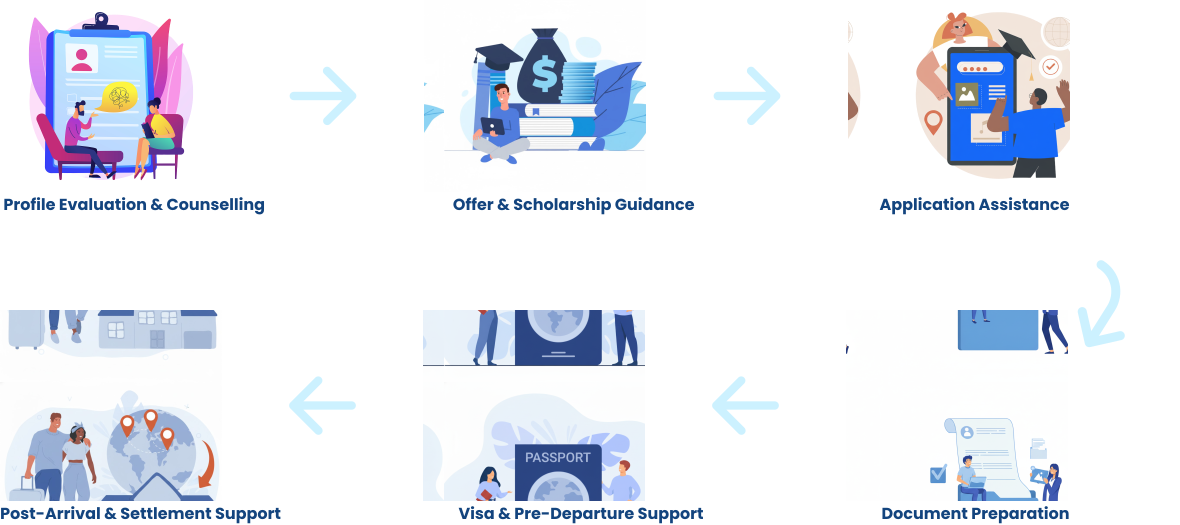
Follow our 6 step-by-step guide to make your study abroad journey simple and stress-free. From application to arrival, we cover every stage with expert support.
I had no idea where to start—admission, visa, or packing! But Shakil Education Group, the best education consultancy firm in Bangladesh, guided my entire study in Hungary journey perfectly.
SD
Sristi Deb
University of Debrecen, Hungary
Studying abroad changed my life, but Shakil Education Group, the best education consultancy firm in Bangladesh, made my study in Denmark journey smooth, exciting, and truly life-changing.
UJ
Umma Soneyatul Jannat
University of Southern Denmark, Denmark
I got my Swedish visa through Shakil Education Group, and the whole process was incredibly smooth. They guided me at every stage from IELTS preparation to visa processing, and even after I arrived in Sweden. The team was supportive, cooperative, and professional throughout the journey.
WK
Walid Khan
Halmstad University, Sweden
Everyone sees my photos from Canada, but not how Shakil Education Group, the best education consultancy firm in Bangladesh, made my study in Canada journey smooth and stress-free.
NS
Naziur Rahman Srabon
Yorkville University, Canada
I was nervous about leaving home, but Shakil Education Group, the best education consultancy firm in Bangladesh, guided my entire study in Denmark journey to Niels Brock Copenhagen Business College.
RI
Redwan Islam
Niels Brock Copenhagen Business College, Denmark
Truly grateful to Shakil Education Group, the best education consultancy firm in Bangladesh, for their expert support in my UK student visa process and study in the UK journey.
TI
Tawhidul Islam
University of Lincoln, UK
I had no idea where to start—admission, visa, or packing! But Shakil Education Group, the best education consultancy firm in Bangladesh, guided my entire study in Hungary journey perfectly.
SD
Sristi Deb
University of Debrecen, Hungary
Studying abroad changed my life, but Shakil Education Group, the best education consultancy firm in Bangladesh, made my study in Denmark journey smooth, exciting, and truly life-changing.
UJ
Umma Soneyatul Jannat
University of Southern Denmark, Denmark
I got my Swedish visa through Shakil Education Group, and the whole process was incredibly smooth. They guided me at every stage from IELTS preparation to visa processing, and even after I arrived in Sweden. The team was supportive, cooperative, and professional throughout the journey.
WK
Walid Khan
Halmstad University, Sweden
Everyone sees my photos from Canada, but not how Shakil Education Group, the best education consultancy firm in Bangladesh, made my study in Canada journey smooth and stress-free.
NS
Naziur Rahman Srabon
Yorkville University, Canada
I was nervous about leaving home, but Shakil Education Group, the best education consultancy firm in Bangladesh, guided my entire study in Denmark journey to Niels Brock Copenhagen Business College.
RI
Redwan Islam
Niels Brock Copenhagen Business College, Denmark
Truly grateful to Shakil Education Group, the best education consultancy firm in Bangladesh, for their expert support in my UK student visa process and study in the UK journey.
TI
Tawhidul Islam
University of Lincoln, UK
Related Blogs
Check out our latest blogs and stay updated with the latest news and trends in the study abroad industry.
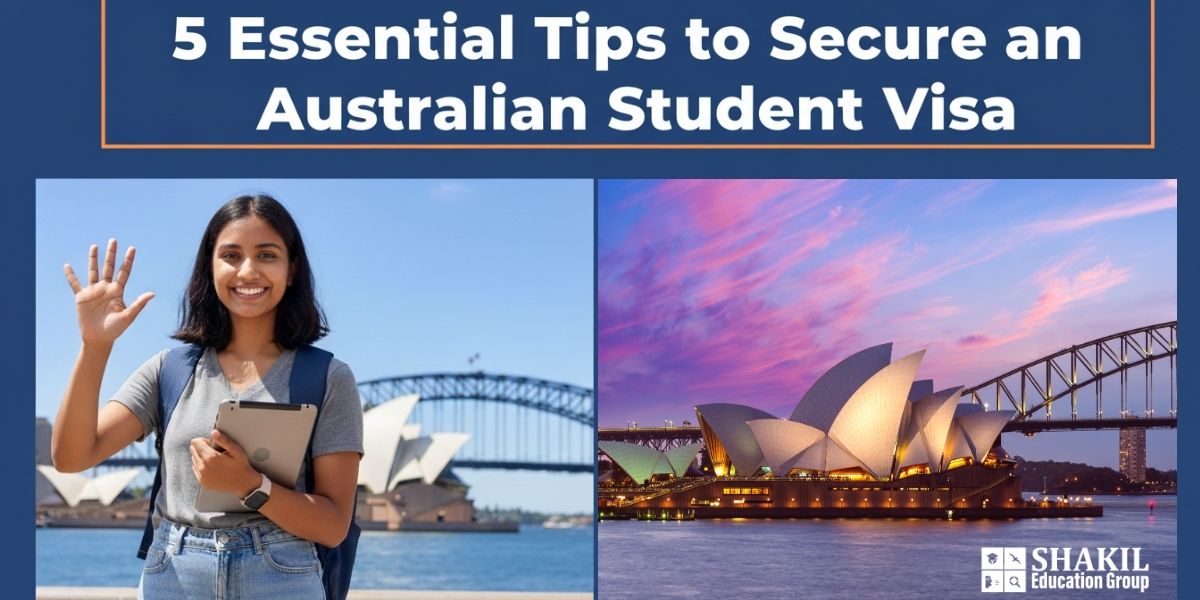
Applying for an Australian student visa is one of the most exciting — yet nerve-wracking — parts of your study abroad journey. You’ve got your offer letter, your dream course, and ...
It's simple to get carried away by the anticipation of the journey when making plans to study abroad. International students, however, frequently miss important application-p...
Every year, millions of students around the world seek higher education opportunities abroad. After securing admission from a foreign university, one of the most critical steps rem...
Every year, I meet hundreds of students dreaming of studying abroad. Some want better education. Some want a new lifestyle. Some want both.But many make a mistake — they pick a cou...
Finding the right place to live can make or break your study abroad experience in the UK. Your accommodation isn’t just where you sleep—it’s where you’ll make friends, study late i...
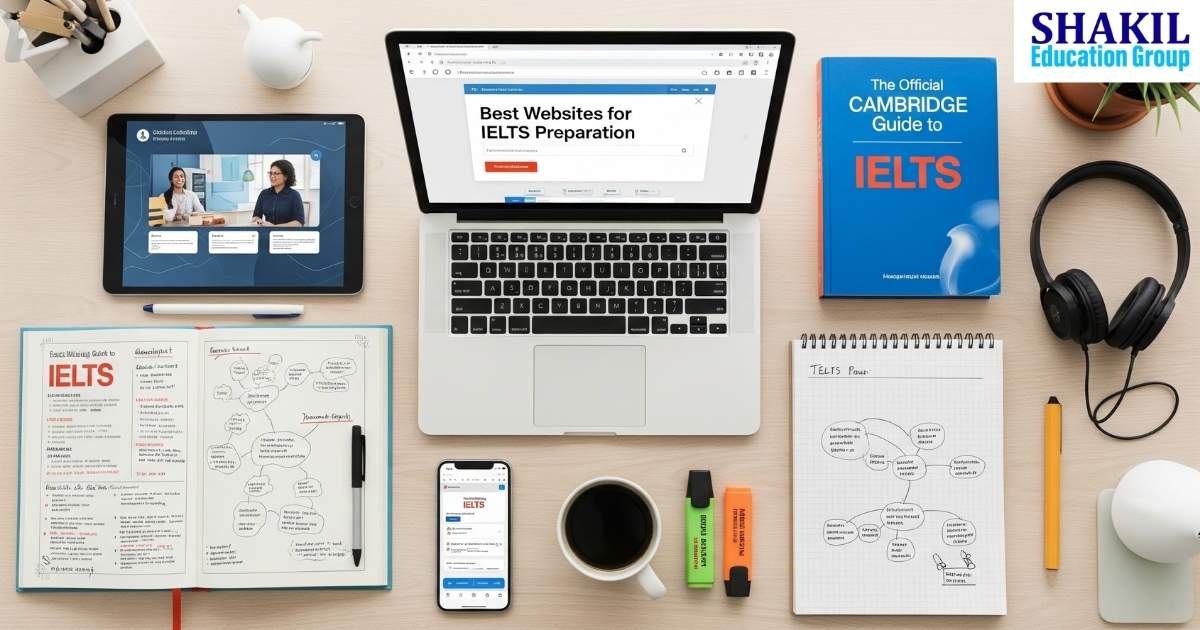
Preparing for IELTS can feel overwhelming. With so many websites claiming to offer the “best” resources, it’s easy for students to waste time on scattered, low-quality material. I’...
Frequently Asked Questions
Have questions about studying abroad? Our FAQ section gives you clear and simple answers to guide your journey.