Introduction
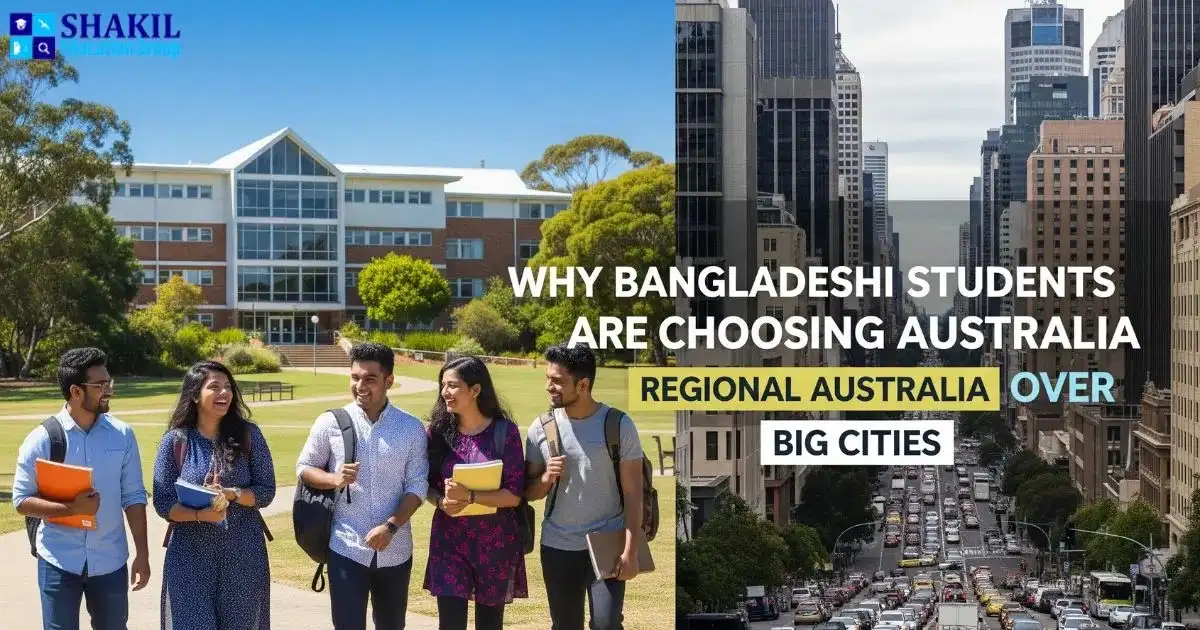
Over the years Australia has mastered its way into making us think of Sydney and Melbourne alone when the topic is Study Abroad- Australia. Lately this has shifted a little, now a rising number of students are choosing other regional cities of Australia realizing its potential and benefits far better than the big cities.
I speak with students and parents everyday and that has only made me more aware of this new pathway. It is a more clear, planned and smarter decision made by students, as they are not thinking of fitting in with the crowd rather choosing a city far better for their education.
Let’s dive in further!
Take the First Step - Get Your Free Study Consultation!
Book Free ConsultationFirst, What Does “Regional Australia” Mean?
Many people think “regional” means remote. Not true. Regionals are not deserted remote lands unlike what many people think. Adelaide, Hobart, Canberra, Perth, Newcastle etc are places with strong universities and real job market and affordable accommodation.
So when a student chooses “regional,” they’re often choosing a city that still has everything they need, just without the extreme costs and competition of the biggest metro hubs.
1) Lower Living Costs Without Sacrificing Quality
Let’s be honest: cost is the deal breaker for many families.
Rent in Sydney or Melbourne can shock students in their first week. In regional cities, students usually find:
- Cheaper shared rooms
- More reasonable transport costs
- Lower daily expenses
What this means in real life is simple. Students can breathe. They don’t have to chase extra shifts every week just to survive. They can focus on grades, skills, and building a real future.
2) Migration Advantages That Actually Matter
Many Bangladeshi students don’t say it loudly, but most think about long-term options from day one. And regional study supports that plan.
Regional areas often offer stronger migration outcomes because:
- Regional study can support extra points in skilled pathways
- Regional work experience is easier to build
- Some regional areas have higher demand for skills and workers
I always tell students: don’t treat migration as a “luck” topic. Treat it as a strategy topic. Regional cities fit strategy better than pure hype.
3) Better Chances To Find Part-Time Work
Part-time work is not optional for most international students. It’s how they manage living costs and learn workplace culture.
In major cities, job competition is intense. Too many students apply for the same roles. In regional cities, students often report:
- Quicker hiring
- Less competition for entry-level jobs
- Shorter commutes
- More flexible rosters
This matters because students don’t just need a job. They need a job that doesn’t destroy their study schedule.
4) Strong Universities, Smaller Classes, More Support
Another misconception is that regional universities are “lower standard.” That’s not how it works in Australia.
Many regional campuses and universities are highly respected, with solid teaching quality and industry partnerships. What students often love is:
- Smaller class sizes
- Easier access to lecturers
- More academic support
- More personal learning environment
For Bangladeshi students who are adjusting to a new system, this kind of support reduces stress and improves performance.
5) A Calmer Lifestyle That Helps Students Stay Consistent
Big cities can be exciting, but they can also drain students fast.
Regional cities usually feel:
- Less crowded
- Safer and easier to navigate
- Less distracting
- More community-based
This is not a small thing. When a student feels stable, they study better, manage time better, and adapt faster. Consistency beats excitement when the goal is a degree and a career.
6) A Growing Bangladeshi Student Network In Regional Cities
This trend feeds itself.
As more Bangladeshi students move to regional cities, newcomers feel more confident doing the same. Seniors help juniors with:
- Housing tips
- Job leads
- Campus guidance
- Local survival basics
That support system is a big reason regional cities now feel less risky than they did 5–7 years ago.
7) Regional Cities Feel Like A Smarter “Total Package”
When students compare options, they don’t just compare tuition fees. They compare the full package:
- Total yearly cost (tuition + living)
- Work options during study
- Lifestyle and safety
- Long-term career pathways
This is exactly why regional cities are winning.
And to be clear: this doesn’t mean Sydney or Melbourne are “bad.” It simply means regional cities often offer better value for students who want stability, affordability, and a clearer path after graduation.
Faqs About Why Bangladeshi Students Are Choosing Australia
Are regional cities in Australia good for Bangladeshi students?
Yes. Many are affordable, safe, student-friendly, and offer strong education and work options. “Regional” does not mean underdeveloped.
Is Adelaide considered regional for immigration?
Under Australia’s regional classification, most places outside Sydney, Melbourne, and Brisbane are treated as regional for migration purposes.
Is Australia still a popular choice for Bangladeshi students?
Yes. Recent data shows strong growth in Bangladeshi enrolments and steady student visa grants.
How many international students are in Australia right now?
Australia recorded 821,553 international students studied in Australia in YTD September 2025.
Final Thoughts
The shift of Bangladeshi students toward regional cities in Australia is a mix of practical planning and opportunity. Lower costs, longer work rights, higher visa success, and supportive study environments make regional choices increasingly attractive.
For many families, regional study is not a second choice. It’s a strategy designed around affordability, work experience, and future migration prospects. With numbers growing fast year after year, regional Australia is proving to be a smart, realistic pathway for students from Bangladesh who want more than just a degree.