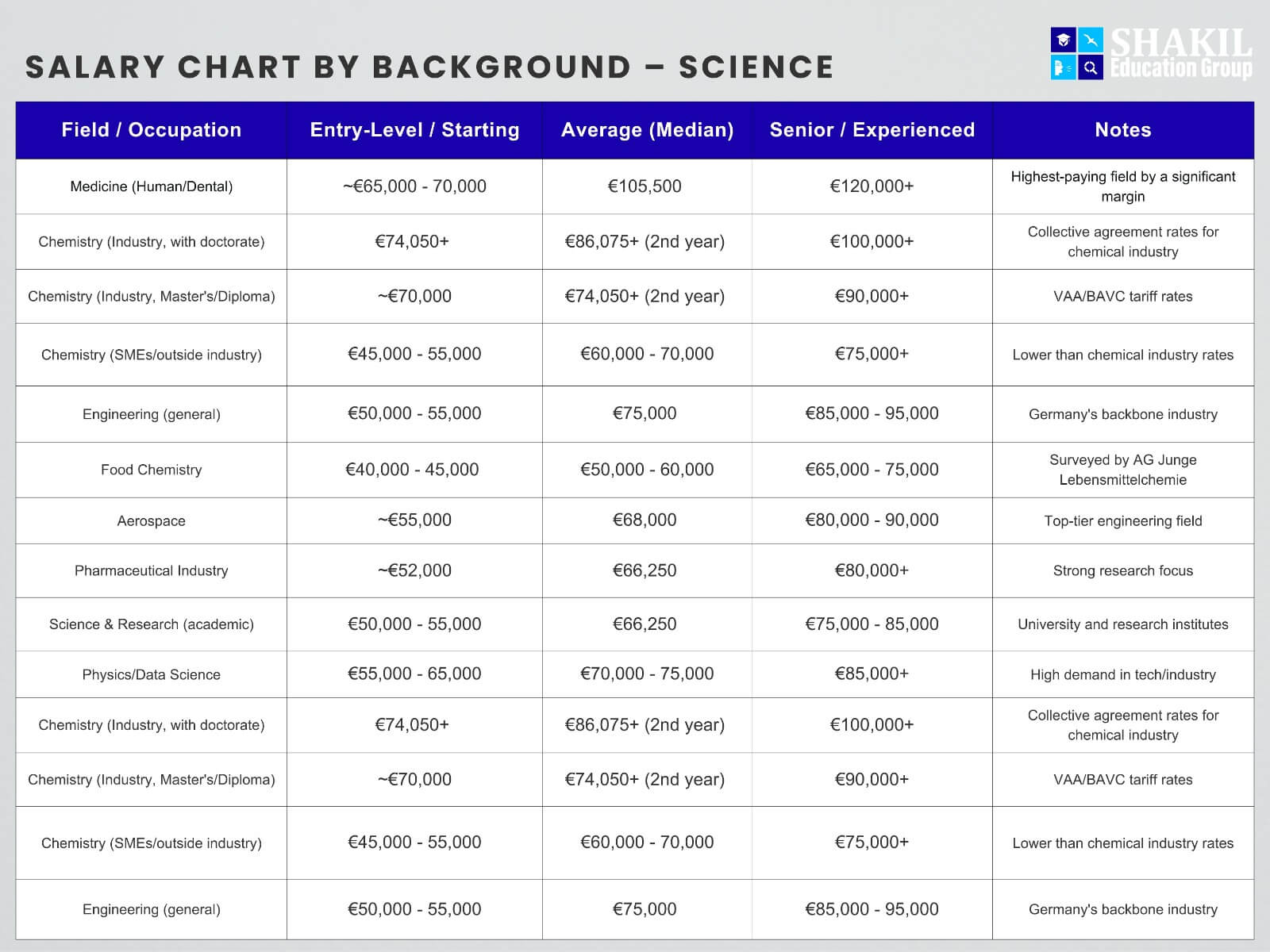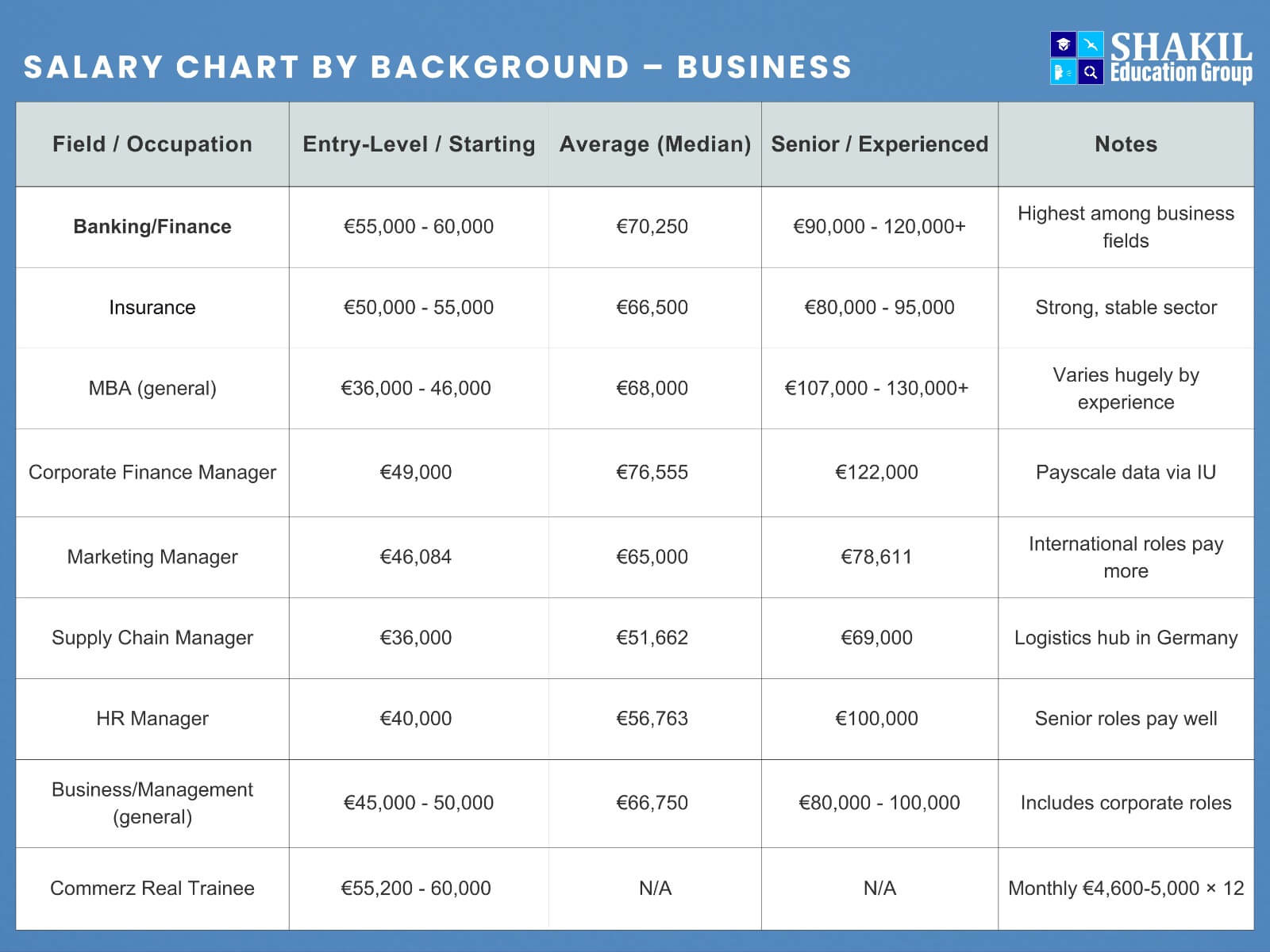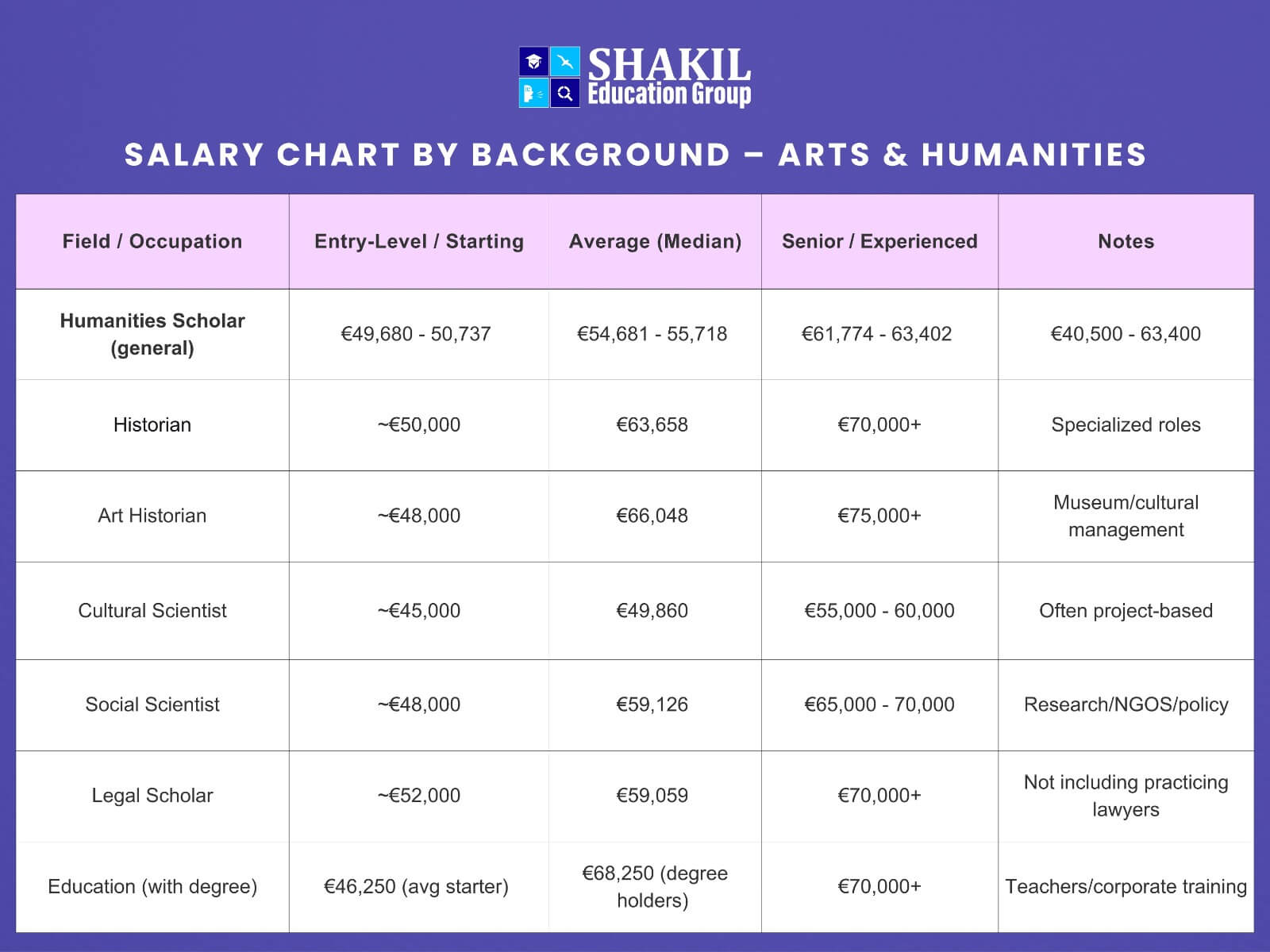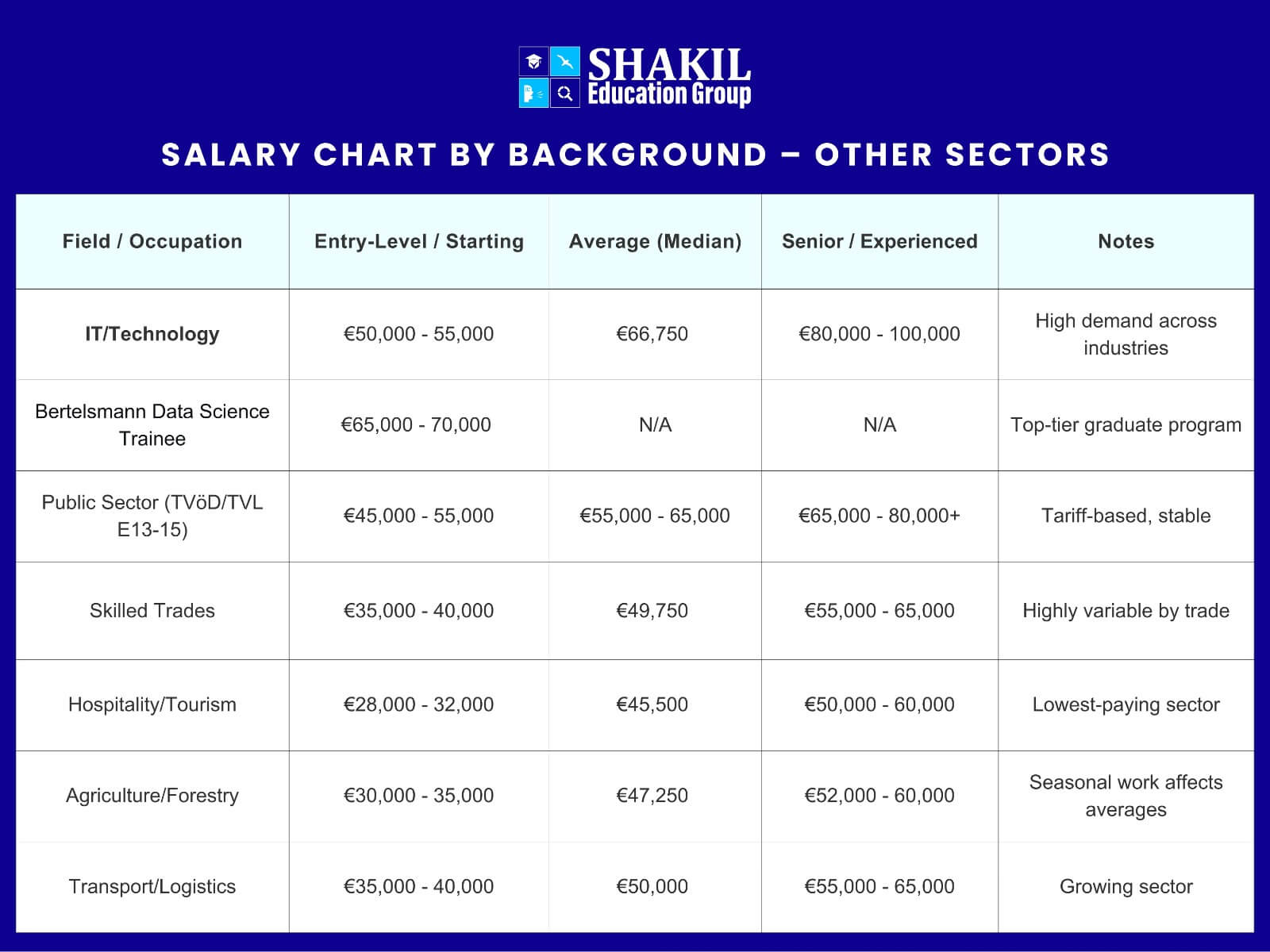
Introduction
This is something almost every student thinks about, and honestly, it's one of the smartest things you can do – not just for the money, but for what it does for your career afterward. The system there is actually set up to help you work while you study, and if you play your cards right, it can lead straight into a full-time job and eventually permanent residency.
The Legal Stuff – What You're Actually Allowed to Do
First, let's get the rules straight because this matters. If you're a non-EU student with a German residence permit for studying, here's what you need to know about working.
The 140-Day Rule Explained Simply
You're allowed to work either:
- 120 full days per year, or
- 240 half-days per year
What counts as a full day versus a half day? It's actually pretty straightforward:
- A full day is any day you work more than 4 hours
- A half day is when you work 4 hours or less
Some sources explain this as 140 full days or 280 half-days. The numbers vary slightly depending on how different universities and authorities calculate it, but the important thing is the 20-hours-per-week average during the semester. During breaks, you can work full-time without worrying about the weekly limit – just keep an eye on your total days for the year.
The On-Campus Exception
Here's something a lot of students don't realize: on-campus jobs don't count against that limit. If you're working as a research assistant (called HiWi – short for Hilfswissenschaftlicher Mitarbeiter), in the library, or anywhere else at the university, those hours are basically free. You can work as much as your department offers without eating into your 120/240-day allowance.
Job search portals
What Happens If You Go Over
This is worth paying attention to. If you exceed the limit without permission, it can actually mess up your visa status. So track your hours. If you want to work more than the standard allowance in a non-student job, you'd need to get approval from the immigration department first.
The Two Types of Jobs You Should Know About
Not all student jobs are created equal. There's a huge difference between working at a cafe and working as a Werkstudent at a German company.
HiWi Positions (Student Research Assistant)
These are jobs at the university itself. You might assist a professor with research, help run lab sessions, grade papers, or work on academic projects.
Why they're good:
- The hours don't count against your annual limit
- You're working directly with professors and researchers
- Pay is usually at least minimum wage (€13.90/hour as of 2026) and can be higher for technical work
How to find them: Here's the thing about HiWi jobs – most of them never get publicly advertised. The way to get one is to:
- Email professors directly whose research actually interests you. Keep it short and professional
- Ask your Fachschaft (that's the student department union)
- Check your university's Stellenwerk job portal
- Show up to department events. Seriously, positions often go to students faculty already know
In German academic culture, reaching out directly isn't pushy – it's pretty much expected.
Werkstudent Roles (Working Student)
This is where things get interesting. A Werkstudent position is a formal part-time job at a real company, usually in your field of study. We're talking about places like SAP, BMW, Siemens, or high-growth startups.
What makes them different:
- You work 15-20 hours per week during the semester
- The work is professional – software development, data analysis, marketing, and engineering
- You're treated like an actual employee, not just extra help
What they pay (2026 estimates) :
|
Field |
Typical Hourly Pay |
|
Technical (IT, Engineering, Data) |
€15 – €20+ |
|
Business (Finance, Marketing, UX) |
€14 – €17 |
|
Minimum Wage |
€13.90 |
Here's why Werkstudent roles matter more than the paycheck. When you work as a working student, you're basically doing a year-long job interview. You prove your value over months or years, and when you graduate, you're often the first person they think of for a full-time role
Minimum Salary in Germany
Germany has a national minimum wage.
- Around €12.82 per hour (2025).
- Around €13+ per hour in 2026.
Example monthly earnings:
|
Weekly Hours |
Monthly Income |
|
10 hours/week |
~€500 |
|
15 hours/week |
~€750 |
|
20 hours/week |
~€1000+ |
Popular Student Job Types in Germany
International students usually do:
- HiWi (Research assistant)
- Warehouse jobs (Amazon, DHL)
- Restaurant & café jobs
- Delivery jobs
- Supermarket cashier
- Event staff
- Tutoring
These jobs help students:
- Pay rent
- Cover daily expenses
- Gain work experience.
Mini-Jobs in Germany
A Mini-Job is a special part-time job.
Features:
- Income up to €556–€603 per month
- Usually tax-free
- Flexible working hours
Many international students choose mini-jobs because they are simple and legal.
Internships in Germany
Students can also do internships.
Types:
- Mandatory internship (part of the study program)
- Voluntary internship
Benefits:
- Industry experience
- Higher chance of a full-time job later
- Professional networking
What Happens After You Graduate
This is where the system really works in your favor.
Job Opportunities After Graduation
Germany offers great opportunities after completing a degree. Germany has a massive skills shortage that isn't going away. In Thuringia alone, they're expecting 386,000 workers to retire by 2035 – and half those positions will likely remain unfilled. This isn't just a Thuringia problem; it's a Germany problem.
International graduates can:
- Stay for 18 months to find a job
- Work full-time during job search
- Apply for an EU Blue Card if the salary requirement is met
Common high-demand fields:
Engineering
- Mechanical Engineer
- Automotive Engineer
- Electrical Engineer
IT & Technology
- Software Developer
- Data Analyst
- AI Engineer
- Cybersecurity Specialist
Healthcare
- Nurses
- Medical researchers
- Healthcare administrators
Business & Finance
- Financial analysts
- Accountants
- Business consultants
Science & Research
- Biotechnology
- Environmental science
- Agricultural science
- Veterinary and animal science
Germany currently has a large shortage of skilled workers, which increases the chances for international graduates.
Job Search Platforms in Germany
Students usually find jobs through:
Websites:
- Indeed
- StepStone
- Glassdoor
Dedicated Student & Part-Time Job Portals
General Job Boards
Student job platforms:
- Jobbörse (Federal Employment Agency)
- University job portals
The Two Main Paths to a Work Permit
Once you land that job, you'll typically fall into one of two categories.
The EU Blue Card Route
This is the golden ticket for graduates with job offers that meet certain salary thresholds. Here's what the numbers look like for 2026 :
|
Category |
Minimum Annual Salary (2026) |
|
Regular occupations |
€50,700 |
|
Shortage occupations |
€45,934.20 |
|
Recent graduates (last 3 years) |
€45,934.20 |
What counts as a shortage occupation? The list has expanded significantly. It now includes :
- STEM professionals (scientists, engineers, mathematicians)
- IT specialists and ICT service managers
- Medical doctors, veterinarians, dentists, pharmacists
- Nursing and midwifery professionals
- Teachers and educators
- Manufacturing, mining, and construction managers
- Professional services managers (healthcare, childcare)
Here's a huge benefit that doesn't get talked about enough: with an EU Blue Card, you can get permanent residency in 21 months if you have a B1 German, or 27 months with an A1 German. That's significantly faster than the standard route.
The Qualified Professional Visa
If your job offer doesn't meet the Blue Card salary threshold, you're not stuck. You can apply for a residence permit for qualified employment under Section 18b of the Residence Act.
The requirements are straightforward:
- A job offer that matches your degree
- Your qualification must be recognized (more on this below)
- The job must be qualified, meaning it typically requires a degree
One change that matters: you're no longer restricted to jobs directly related to your degree. If you have a degree, you can now take qualified positions in other fields, with some exceptions for regulated professions like medicine or law, where specific licensing applies.
The Recognition Piece That Confuses Everyone
Here's where things get technical but really matter.
For regulated professions (healthcare, teaching, law, and engineering in some contexts), you must have your degree officially recognized before you can work. This isn't optional – it's the law.
For non-regulated professions (most business, IT, and general roles), formal recognition isn't mandatory, but employers will want to understand how your degree compares to a German one. This is where the ANABIN database comes in. You can check whether your university and degree are recognized as equivalent to German standards.
If your degree isn't automatically recognized, you have options :
- Apply for a Statement of Comparability from the Central Office for Foreign Education (ZAB)
- For vocational qualifications, pursue recognition through the competent German authority
- In some cases, you can enter Germany under a recognition partnership where you and your employer commit to completing the recognition process after you start working